
A wedding reception is a time for eating, talking, laughing, dancing, taking photos, and spending time with family and friends. For many guests, the reception can last several hours. During that time, comfortable seating becomes an important part of the experience.
When guests have a comfortable place to sit, they can relax and enjoy the celebration. They can talk with family members, enjoy their meal, watch the speeches, and take a break between activities. When seating is uncomfortable or poorly arranged, guests may become tired and distracted.
Good seating is not only about having enough chairs. It is also about choosing a layout that provides enough room, makes movement easy, and works well with the various parts of the reception.
Flexible seating layouts can be especially helpful because every wedding has different needs. The number of guests, type of meal, entertainment, and size of the event can all affect how tables and chairs should be arranged.
For couples planning a long wedding reception, considering guest comfort from the beginning can make the entire celebration more enjoyable.
Guests Spend a Lot of Time Sitting
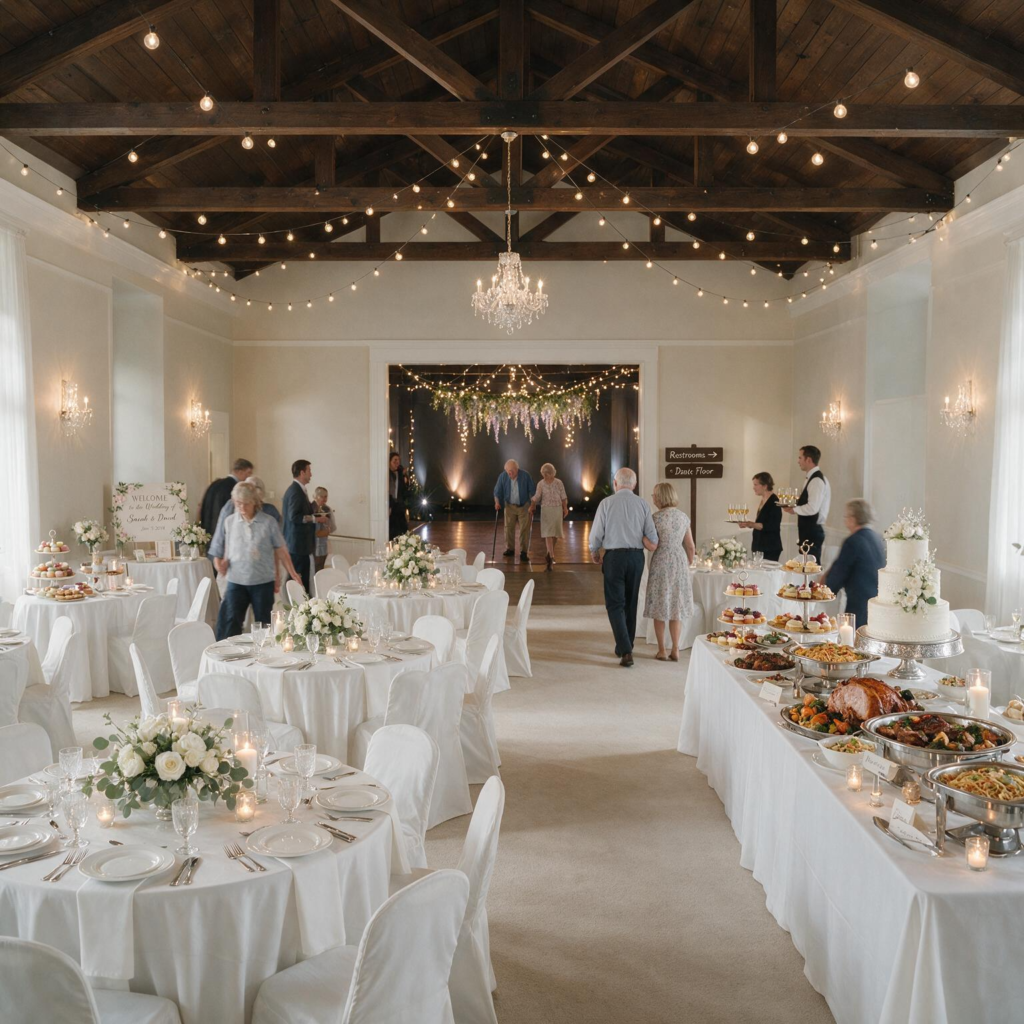
Wedding receptions can take several hours. Guests may sit during dinner, speeches, cake cutting, conversations, and other parts of the celebration.
Some guests may also arrive early and spend additional time waiting before the main reception begins.
Because people spend so much time sitting, the seating arrangement deserves careful attention. A chair that feels fine for a short period may become uncomfortable after several hours.
Comfortable seating gives guests a place to relax throughout the event. It also allows older family members, young children, and guests who need more rest to enjoy the celebration at their own pace.
The goal is simple. Guests should be able to sit comfortably when they want to take a break from standing, walking, or dancing.
Comfortable Seating Helps Guests Enjoy the Meal
Food is often an important part of a wedding reception.
Guests often spend significant time seated at tables, enjoying their dinner and conversing with those around them.
A comfortable chair and a well-planned table arrangement make this experience much better.
Guests need enough space to sit without feeling crowded. They should have room to place their plates, glasses, and personal belongings.
Tables should also be arranged so people can get in and out of their seats without disturbing everyone around them.
When seating is planned properly, guests can focus on enjoying their meal and spending time together.
Flexible Seating Works for Different Guest Lists
Every wedding has a different number of guests.
One couple may have a small reception with close family and friends. Another may invite a large group that includes relatives, coworkers, neighbors, and friends.
A flexible seating layout makes it easier to adjust the space based on the guest list.
Tables and chairs can be arranged in different ways to suit the size and style of the celebration.
For a smaller reception, tables can be positioned closer together while still leaving enough room for guests to move comfortably.
For a larger wedding, the seating can be spread across the room to create clear walking areas.
This flexibility gives couples more control over how their reception space is used.
Seating Can Make Movement Easier
A good reception layout should make it easy for guests to move around.
People need to walk between tables, reach the food area, visit the restroom, take photos, and move toward the dance floor.
If tables and chairs are placed too close together, guests may have difficulty moving through the room.
A flexible layout allows organizers to create clear paths between important areas.
This is especially helpful for older guests and anyone who uses a wheelchair or has difficulty walking.
Easy movement helps the reception feel less crowded and more relaxed.
Comfortable Seating Helps Older Guests
Wedding celebrations often bring several generations together.
Grandparents, older relatives, parents, children, and young adults may all attend the same reception.
Older guests may need to sit more often than younger guests. They may not want to spend long periods standing during conversations or waiting for dinner.
Comfortable seating gives them a place to rest whenever they need it.
It can also help to place older guests in accessible areas. Seating near restrooms, entrances, or quieter areas may be more convenient.
Small decisions like these show care for the people attending the wedding.
Children Need Comfortable Seating Too
Children can become tired during long wedding receptions.
A child may enjoy dancing and playing for a while but eventually needs a place to sit and rest.
Families with young children need extra seating space to manage bags, snacks, toys, and other items.
Parents also appreciate having a comfortable place for children to sit during meals and quieter parts of the reception.
Flexible seating makes it easier to create arrangements that work for families.
Seating Affects Conversations
One of the best parts of a wedding reception is spending time with people you care about.
Guests often meet relatives they have not seen for a long time. Friends catch up. Families share stories. New introductions take place around the dinner table.
The seating arrangement can support these conversations.
Round tables are often useful for social events because people can see and talk with others around the table.
The exact layout will depend on the size and style of the reception, but the main goal is the same. Guests should be able to see the people they are sitting with and talk without having to lean across large spaces.
Comfortable seating creates a better setting for these simple but meaningful conversations.
Seating Should Match the Reception Activities
A wedding reception usually includes several different activities.
There may be dinner, speeches, music, dancing, cake cutting, photography, and special announcements.
The seating layout should support these activities.
For example, guests need a clear view of the area where speeches take place.
They also need enough open space for dancing.
If the couple plans group photos, there should be a convenient area where guests can gather without blocking walkways.
Flexible seating allows the room to work for different parts of the celebration.
A Good Layout Can Make the Room Feel More Open
The way chairs and tables are arranged can change how a room feels.
A crowded arrangement may make the space feel smaller than it actually is.
A thoughtful layout can create a more open feeling while still providing enough seating for everyone.
Leaving enough space between tables gives guests room to move.
It also makes it easier for servers to bring food and clear tables.
An open layout can make the reception feel more comfortable from the moment guests enter the room.
Seating Should Leave Room for Servers
Wedding receptions often include catering staff who need to move between tables.
Servers may carry food, drinks, plates, and other items throughout the meal.
If chairs and tables are too close together, serving can become difficult.
Guests may also need to move their chairs when someone walks behind them.
A flexible layout gives servers enough room to work while keeping guests comfortable.
Good planning helps both guests and staff move around the reception without unnecessary interruptions.
Think About the Dance Floor
Many wedding receptions include dancing.
Guests should have a clear path between their tables and the dance floor.
At the same time, tables should not be placed so close to the dance floor that guests feel uncomfortable from the movement and noise.
Flexible seating enables a good balance between dining and entertainment spaces.
Guests who want to dance can join the celebration, while those who prefer to sit can remain comfortable at their tables.
Seating Can Help With Wedding Photography
Wedding photos are another part of the reception.
Photographers may need to move around tables to capture natural moments.
They may photograph guests talking, laughing, eating, dancing, and celebrating.
A well-arranged seating layout gives photographers enough room to move without disturbing guests.
It can also help create better group photographs by allowing people to gather in open areas when needed.
Flexible seating makes it easier to adjust the space for special photos during the reception.
Give Guests Enough Personal Space
Comfort is not only about the chair.
Guests also need enough personal space around their seats.
Tables should not feel overcrowded. Chairs must have sufficient space for guests to pull them out without hitting adjacent seating.
Guests should also have space for small personal items such as handbags and jackets.
Giving people enough room helps them feel more relaxed.
This becomes especially important during a long reception when guests remain seated for an extended period.
Consider Guests with Different Needs
Every guest is different.
Some people may prefer to sit near the front. Others may want a quieter location.
Families with young children may need extra room.
Guests with mobility needs may need easier access to entrances or restrooms.
Thoughtful seating plans can take these needs into account.
A flexible layout accommodates different guest needs rather than relying on a single rigid setup.
Avoid Making Guests Feel Trapped
Nobody wants to feel stuck at their table.
Guests should be able to leave their seats easily when they need to walk around, visit the restroom, take photos, or speak with someone at another table.
Clear paths around the seating area help guests move freely.
This also makes the reception safer because people are less likely to trip over chairs or bags.
Good spacing gives guests freedom to enjoy the event without worrying about their surroundings.
Think About the Reception Timeline
The length of the reception should also affect the seating plan.
Shorter celebrations require a simpler setup than extended receptions.
If guests will spend a long time at their tables, comfort becomes even more important.
Consider how long people will sit during dinner, speeches, and other activities.
If there are long breaks between activities, make sure guests have comfortable places to rest.
A seating layout that works for the full schedule creates a better experience.
Make the Seating Easy to Change
Wedding plans sometimes change.
The number of guests may increase. A different activity may be added. The couple may decide to move the cake table or create more space for dancing.
Flexible seating allows the venue setup to change without creating major problems.
Chairs and tables can be moved to create more space or adjust the room for a different part of the event.
This is one reason flexible seating layouts can be useful for wedding receptions.
Comfortable Seating Helps Create a Welcoming Atmosphere
When guests walk into a reception, they should feel comfortable and welcome.
The seating arrangement is one of the first things they notice.
A clean and organized layout gives guests a clear idea of where they can sit and move around the space.
Comfortable chairs, sensible table placement, and enough room between seating areas all contribute to a pleasant atmosphere.
Guests do not always notice these details directly, but they notice when a space feels easy to use.
Think About Indoor and Outdoor Seating
Some wedding venues have both indoor and outdoor areas.
This can give couples more choices when planning their reception.
Guests may enjoy sitting outside during part of the celebration and moving indoors later.
Flexible seating makes it easier to use different areas based on the weather, time of day, and activities planned for the reception.
For outdoor seating, couples should also think about shade, temperature, ground conditions, and access to the main reception area.
The goal is to make both indoor and outdoor spaces comfortable and easy to use.
Seating Can Support Different Wedding Styles
Not every wedding reception looks the same.
Some couples want a formal dinner with assigned seating.
Others prefer a relaxed celebration where guests can move around and socialize.
Some receptions include a large dance floor, while others focus more on dinner and conversation.
Flexible seating layouts can work with different wedding styles.
The seating does not have to look the same at every event. It should fit the couple’s plans and help guests enjoy the celebration.
Plan Seating Before the Wedding Day
It is easier to solve seating problems before guests arrive.
Tour the venue to determine the ideal locations for seating, food stations, entertainment, and key guest areas.
Walk through the space as if you were a guest.
Ask yourself whether it is easy to find a seat, approach the table, access the restroom, get food, and navigate to the dance floor.
This simple exercise can help identify problems before the reception begins.
Talk With the Venue Team
The venue team can often provide useful advice about seating.
They understand the available space and can explain different ways to arrange tables and chairs.
Discuss your guest count, meal plans, entertainment, photography needs, and other activities.
This information can help the team suggest a layout that works for the reception.
Clear communication before the event also makes setup easier.
Do Not Forget the Couple
The bride and groom should also have a comfortable place to sit.
They may spend much of the reception moving around and greeting guests, but they should still have a place to rest.
The couple’s table should have enough room and should be positioned so they can easily see the celebration.
A good location also allows guests to approach them without creating a crowded area.
Final Thoughts
Comfortable seating may seem like a small part of wedding planning, but it can have a major effect on the guest experience. A wedding reception can last several hours, and guests need places to sit, eat, talk, rest, and enjoy the celebration.
Flexible seating layouts make it easier to create a space that accommodates varying guest counts, activities, and wedding styles. Proper layout spacing allows all guests to move comfortably, offering greater accessibility and convenience for families and elderly attendees.
When planning a wedding reception, think about seating as part of the overall guest experience. Consider how long guests will sit, how they will move around the room, where meals will be served, where speeches will take place, and how much space is needed for dancing and photography.
A comfortable reception gives guests more time to enjoy their loved ones and focus on the reason they came together. With thoughtful seating and a flexible venue layout, couples can create a wedding reception that feels relaxed, welcoming, and enjoyable from beginning to end.